Buying Guides
How Dealers Should Choose Between 125cc, 200cc, and 250–300cc Motorcycles
Displacement is the first stocking decision. Here is how to match each class to the riders your shop actually serves.
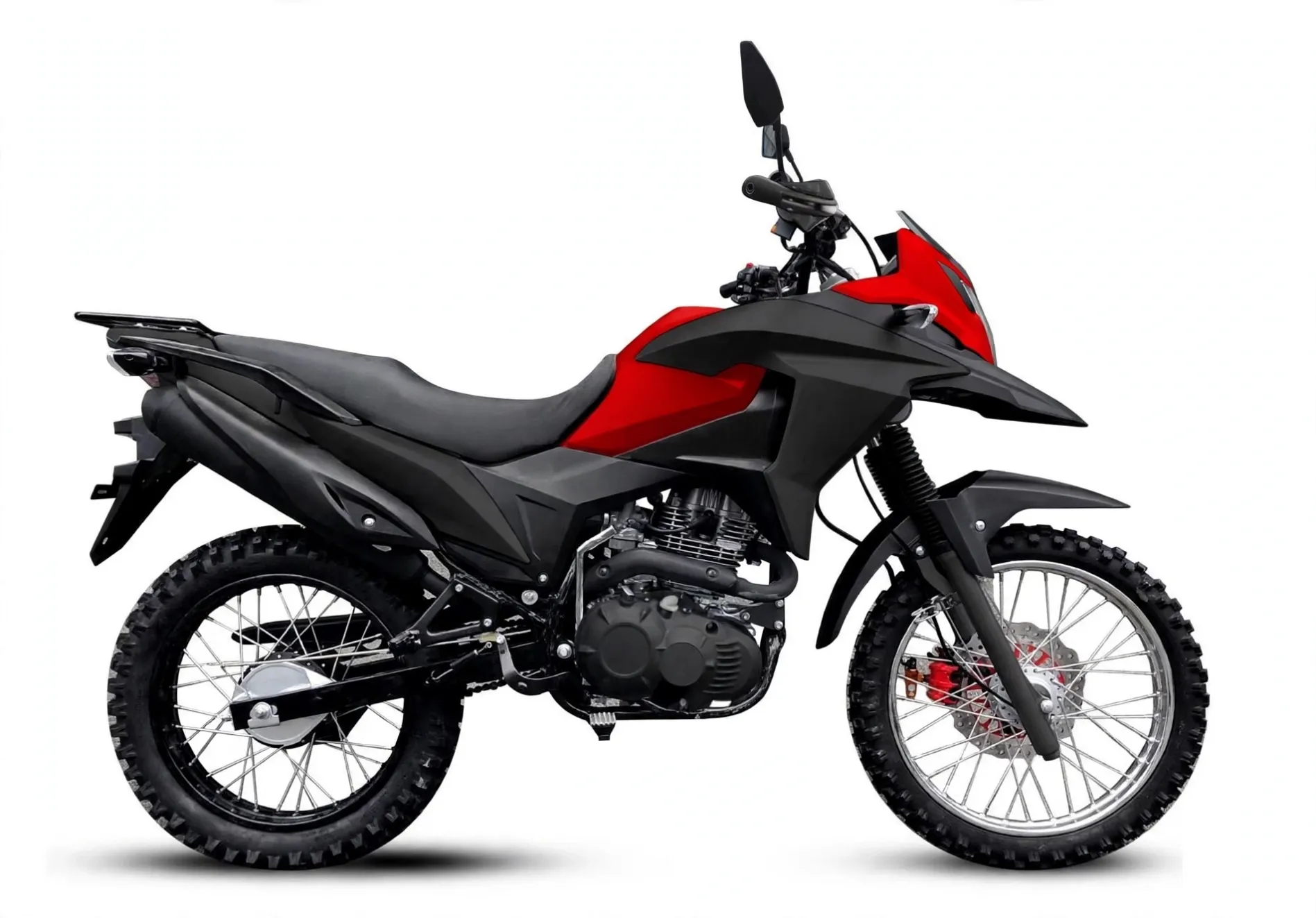
For a dealer, the most expensive mistake is not a bad motorcycle. It is a good motorcycle in the wrong displacement for your market. The 2026 catalogue covers a wide band, from small 49.4 ml underbone models up to a 449 ml water-cooled model, but most of the range sits roughly between 100 ml and 300 ml. That is where the stocking decision matters most, so start there.
The small class is the volume class. Models around 106.7 ml to 124 ml are light, simple, and easy for a new rider to handle. In the catalogue, these motorcycles typically produce around 4.7 to 7.2 kW and reach top speeds of about 75 to 95 km/h. Seat heights in this part of the range are often around 760 to 800 mm, which suits shorter riders and daily commuting. If your customers mainly need cheap transport to work, school, or the market, this is the class that turns over fastest. It is also the class where a low seat, electric starting, and simple controls matter more than outright power, so check those three points on every model you consider, not just the engine size.
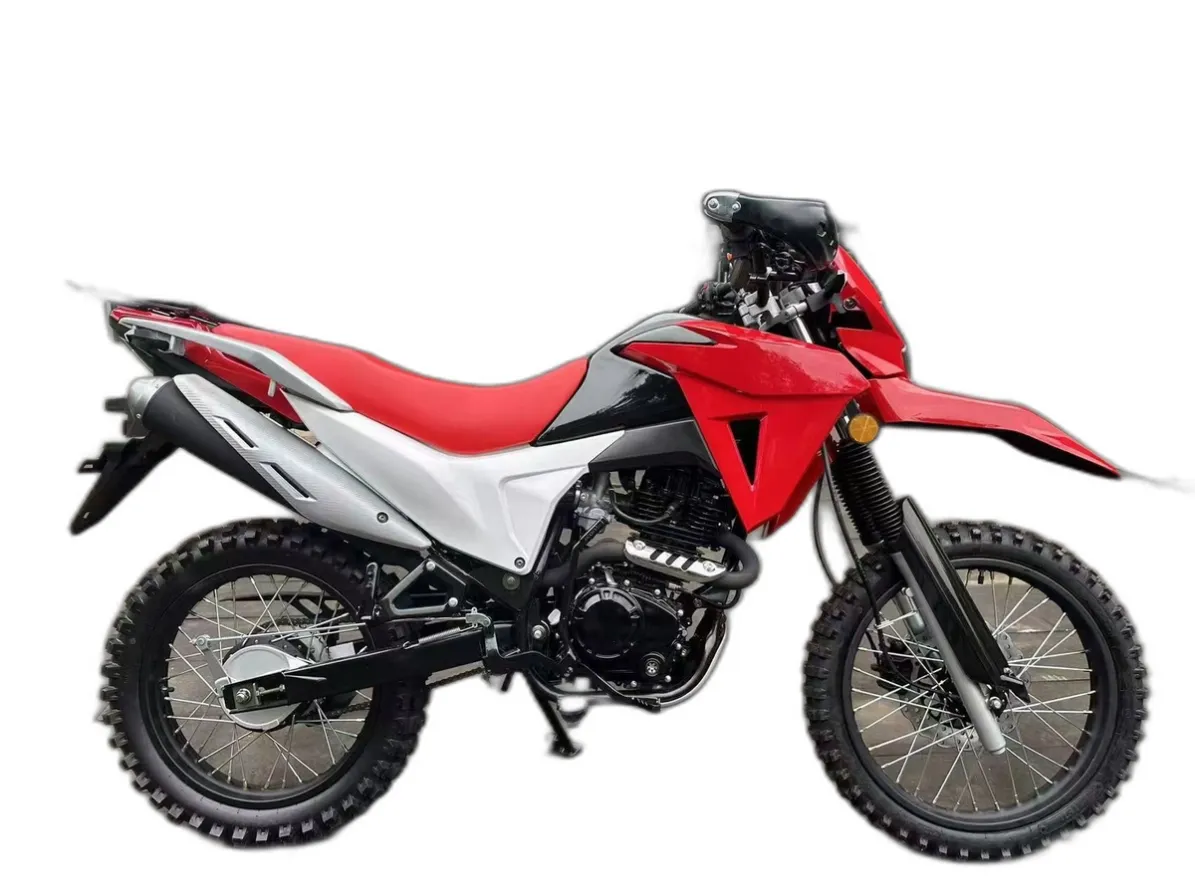
The middle class is the compromise class, and it is often the most useful one for a dealer. Models around 196 ml to 229.2 ml, such as the 229.2 ml single-cylinder engines in the catalogue, typically produce about 10.5 kW and reach about 105 to 110 km/h. That is enough power for a loaded motorcycle on a rough road, for two riders, or for a longer trip out of town, without the weight and fuel use of a larger engine. These motorcycles still use the same simple formula as the small class — single-cylinder four-stroke engine, CDI ignition, chain drive, and electric or kick starting — so your workshop does not need new tools or new training to service them. If you can only stock one middleweight, pick the one whose seat height and ground clearance fit the roads your customers actually ride. In the catalogue, ground clearance in this class runs from about 280 mm to 285 mm on the off-road models, which is a practical figure for unpaved roads.
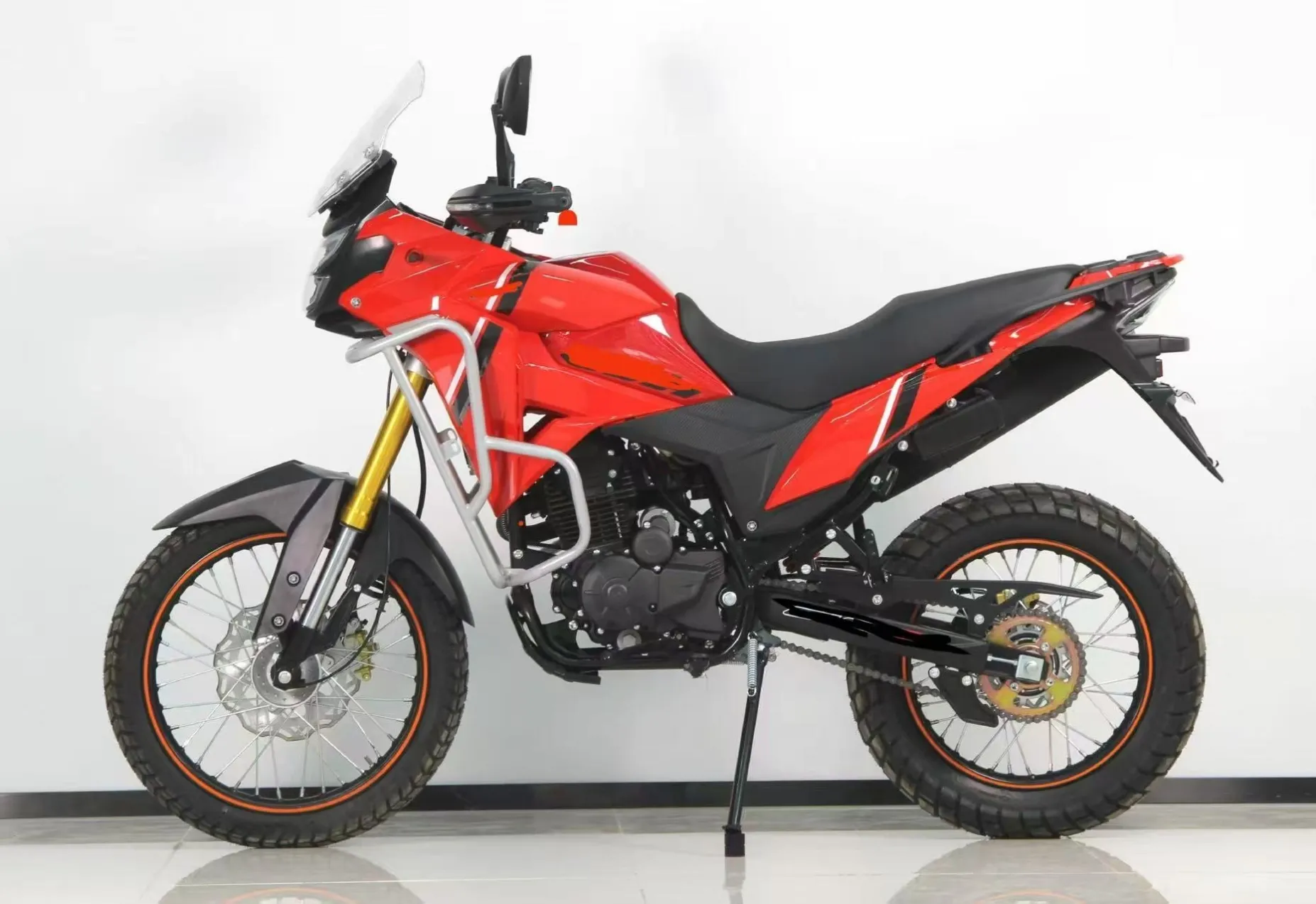
The larger class is the capability class. Models at 249.4 ml to 271.3 ml, including the RM250GY-1, RM250GY-2, and RM300GY-3, typically produce about 14 to 18 kW, with the 271.3 ml oil-cooled engine reaching about 16 kW. Top speed is around 105 to 110 km/h, similar to the middle class, so the gain is not speed. The gain is torque and control: about 18 to 23 N.m in this class, compared with about 14.5 to 16.5 N.m in the middle class. That matters when a rider is climbing, carrying a load, or riding on soft ground. These models also tend to have larger fuel tanks — about 11 to 13 litres in the catalogue — and stronger chassis parts such as disc brakes front and rear. They suit dealers whose customers ride off-road, work in agriculture, or cover long distances between towns.
A practical way to plan stock is to think in use cases, not in engine sizes alone. Ask three questions about each model. First, who rides it: a commuter, a farm worker, or a weekend off-road rider? Second, where does it ride: paved streets, dirt tracks, or both? Third, who services it: your own workshop, or the rider? The catalogue helps here, because many models list optional engine sizes — for example, 150 cc, 200 cc, or 300 cc on the same model — so you can offer one frame in two displacements and cover two use cases without doubling your spare parts stock.
Do not overlook the two ends of the range. At the small end, the 49.4 ml underbone models are a niche but real motorcycle for short-distance, low-speed use, and they are very light, at about 79 kg dry weight. At the large end, the single 449 ml water-cooled four-valve model in the catalogue produces about 32 kW and is a different proposition altogether: more power, more cooling, and more workshop attention. Treat it as a specialist order, not as a volume stock motorcycle, unless your customers specifically ask for it.
Finally, compare like with like. Two motorcycles with the same displacement can feel very different if one has a 17-inch front wheel and the other has a 21-inch front wheel, or if one has a drum rear brake and the other has a disc rear brake. The catalogue lists front and rear tyre sizes, brake types, seat height, wheelbase, and dry weight for every model. Read those lines before you order. Displacement tells you the class. The chassis tells you whether the motorcycle fits your roads.
Stock the small class for volume, the middle class for versatility, and the 250–300 cc class for capability. Order the specialist models only when you have a buyer in mind. That is how a small dealer keeps cash in stock that sells, instead of cash in stock that waits.
Contact us for the full catalogue and dealer terms.