Buying Guides
Why 250cc Off-Road Motorcycles Make Sense for Dealers in Emerging Markets
Big enough for real work, simple enough to service anywhere. That combination is why the 250cc class keeps selling.
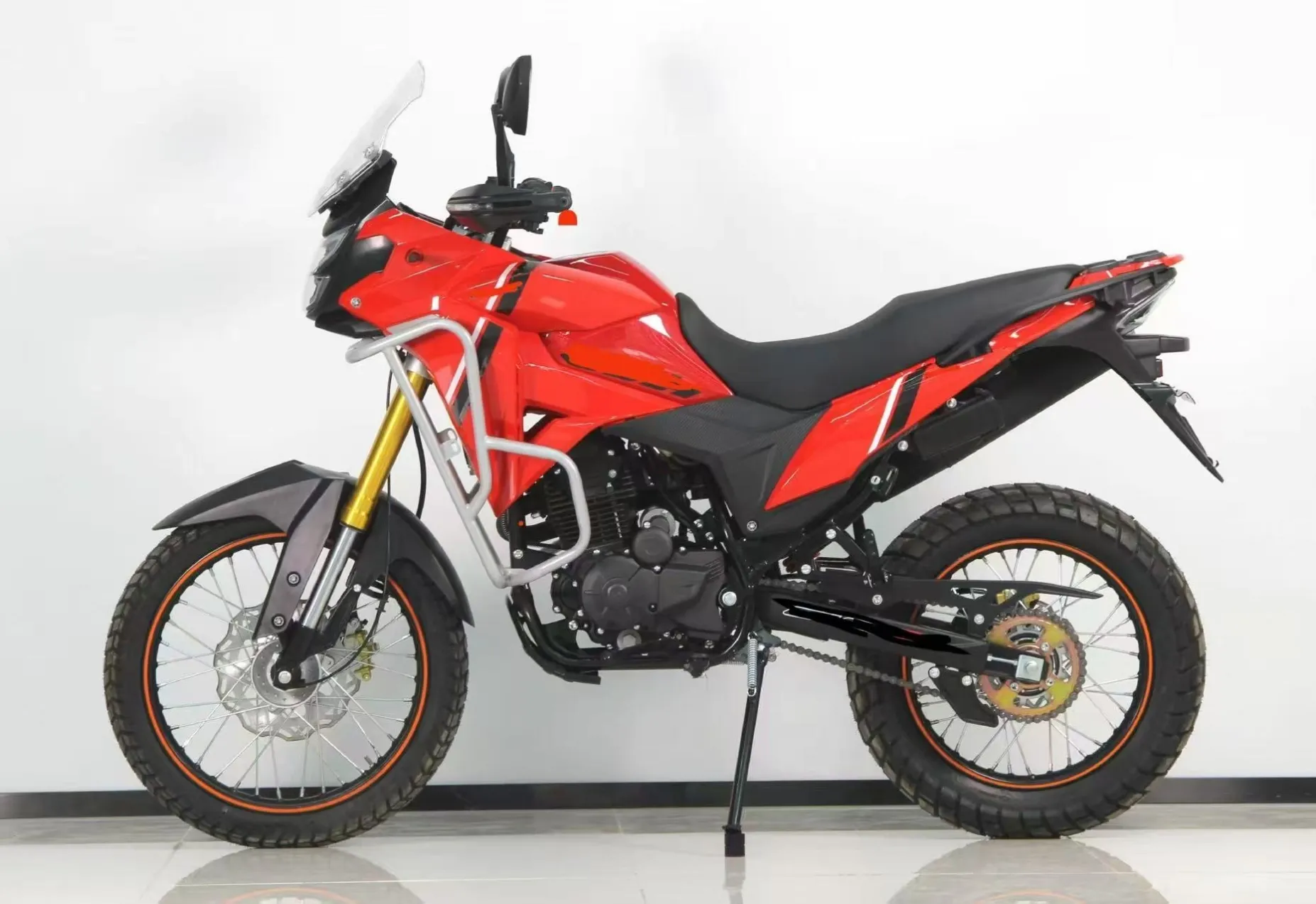
A dealer in an emerging market does not need the most powerful motorcycle. The dealer needs the motorcycle that sells, that survives the roads, and that the local workshop can fix. That is why the 250 cc off-road class keeps working for dealers, and why it deserves a place in every stock plan.
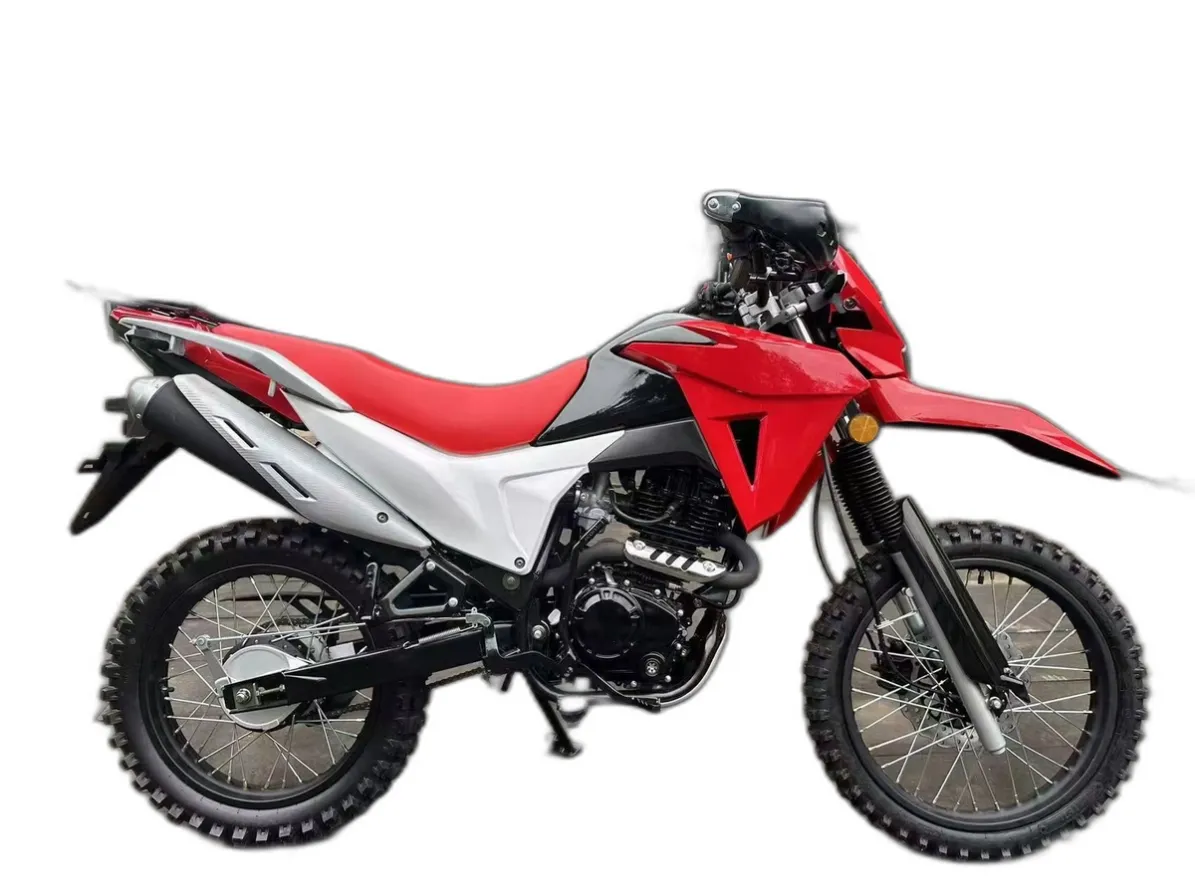
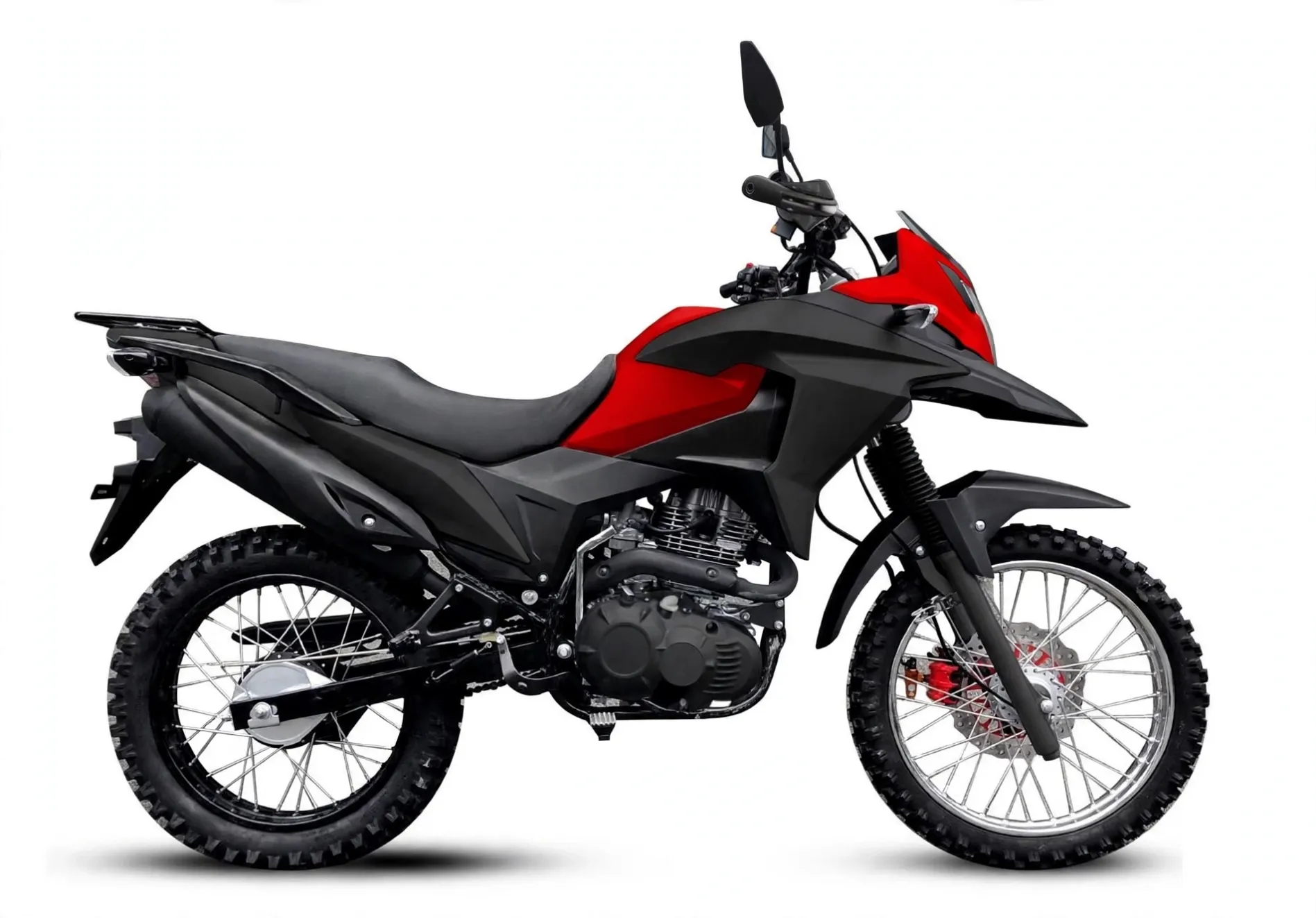
The first reason is range of use. A 250 cc off-road motorcycle is not a specialist machine. In the catalogue, models such as the RM250GY-1 and RM250GY-2 use a 249.9 ml single-cylinder four-stroke engine producing about 14 kW, with a top speed of about 110 km/h. That is enough for a commute, for a delivery run, for farm work, and for a weekend ride on a trail. The same motorcycle can carry a rider to work in the morning and carry a load in the afternoon. A dealer does not have to explain that to a customer. The customer already knows what they need the motorcycle to do, and a 250 cc motorcycle does most of it.
The second reason is simple maintenance. These motorcycles are built around a single-cylinder four-stroke engine with air cooling, CDI ignition, and chain drive. There is no water cooling to leak, no complex electronics to diagnose, and no specialist tool that a small workshop does not already have. Starting is electric, with a kick start as a backup on many models. Brakes are discs front and rear on the off-road models in this class. A mechanic who can service a 125 cc motorcycle can service a 250 cc motorcycle. That matters more than any single specification, because a motorcycle that cannot be fixed locally is a motorcycle that stops selling after the first breakdown.
The third reason is parts commonality. The catalogue is built around shared engine families. Many models list optional engine sizes — for example, 200 cc or 300 cc on the same model — and the same chassis parts, brakes, and electrical parts appear across several models. For a dealer, that means fewer part numbers on the shelf and faster repairs. A front tyre size such as 80/100-21 and a rear tyre size such as 110/100-18 appear on more than one model, so one stock line covers several motorcycles. The same is true of batteries: most models in this class use a 12V5Ah battery. When parts are shared, a dealer can hold less stock and still fix more motorcycles.
The fourth reason is the size of the motorcycle itself. The 250 cc off-road models in the catalogue have seat heights of about 850 to 880 mm and ground clearance of about 174 to 280 mm, depending on the model. That is high enough for rough ground and low enough for most adult riders. Dry weight is about 110 to 120 kg, which is light enough to push out of mud and heavy enough to feel stable on a road. Fuel tanks of about 8 to 11 litres give a practical range without making the motorcycle bulky. None of these figures is extreme, and that is the point. A motorcycle that fits most riders, on most roads, is a motorcycle a dealer can sell to most customers.
It is also worth being honest about what the 250 cc class is not. It is not the fastest motorcycle in the catalogue. The 271.3 ml models produce more power, at about 16 kW, and the single 449 ml water-cooled model produces about 32 kW. It is not the cheapest motorcycle either. The smaller models around 106.7 ml to 124 ml cost less to buy and less to run, and they suit customers who only need short-distance transport. The 250 cc class sits between those two ends, and that is where most of the demand is: riders who need more than a commuter and less than a specialist machine.
For a dealer considering a new franchise or a new motorcycle line, the question is not whether a 250 cc off-road motorcycle is the best motorcycle in the world. The question is whether it is the easiest motorcycle to sell, to service, and to keep on the road. In markets where roads are mixed, fuel is expensive, and workshops are small, the answer is usually yes. The motorcycle is powerful enough for real work, simple enough to fix, and familiar enough that customers already trust it.
Start with the 250 cc off-road models, learn which ones your customers ask for, and add the smaller commuter models and the larger specialist models around them. That is a stock plan that grows with your market instead of fighting it.
Contact us for the full catalogue and dealer terms.