Buying Guides
Spare Parts and Accessories Dealers Should Stock With Off-Road Motorcycles
The motorcycle is the first sale. The bumper, the phone holder, the alarm, and the right wheels are the sales that follow it.
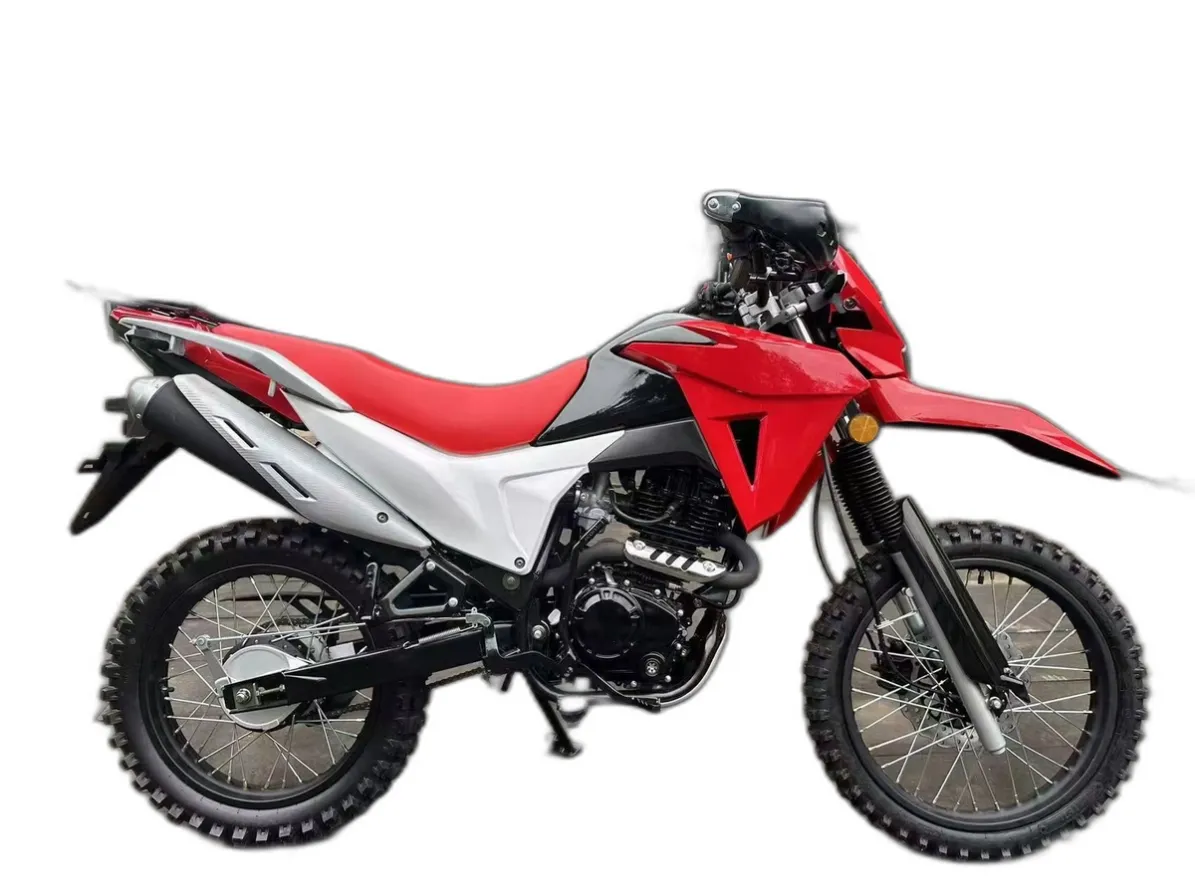
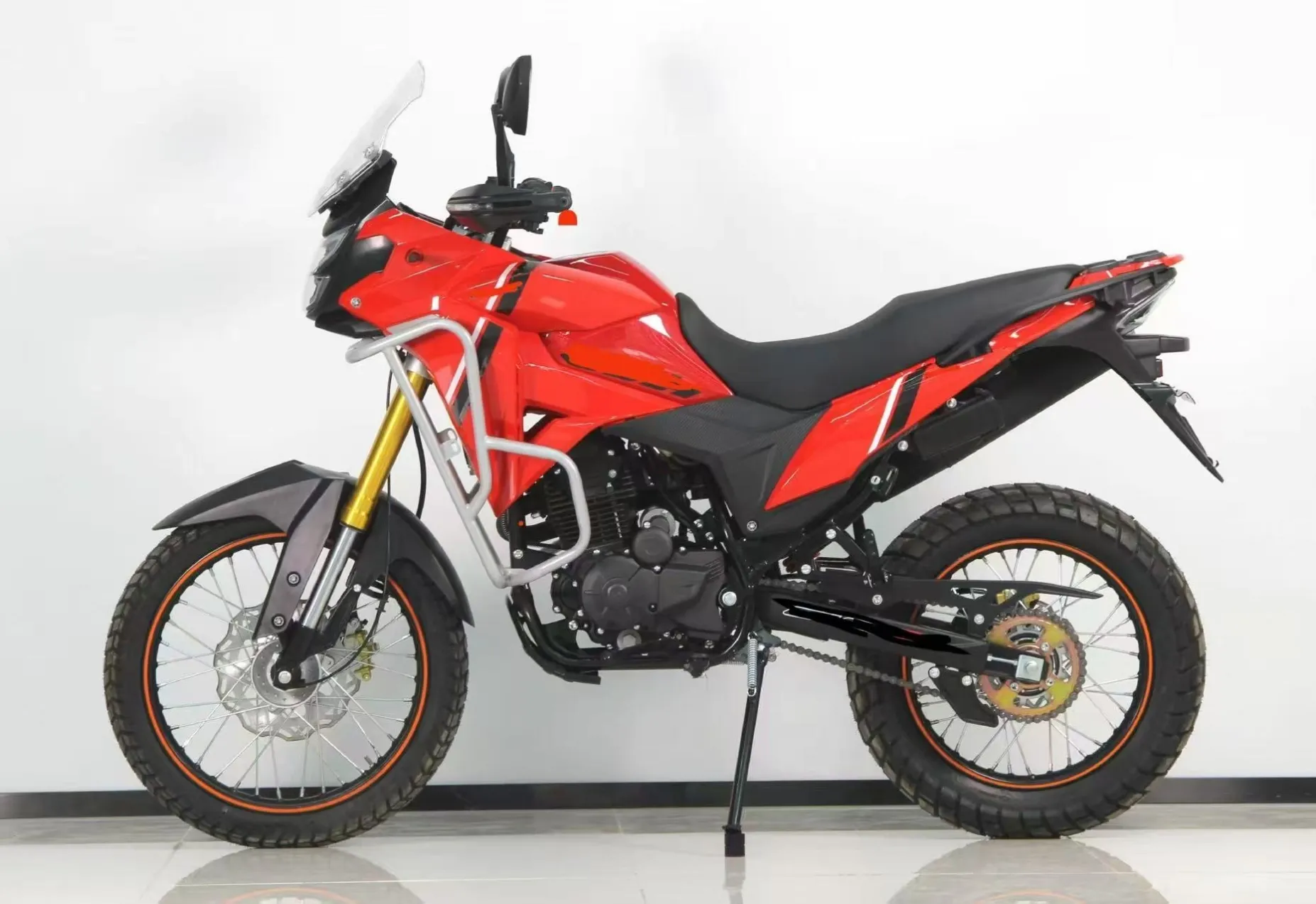
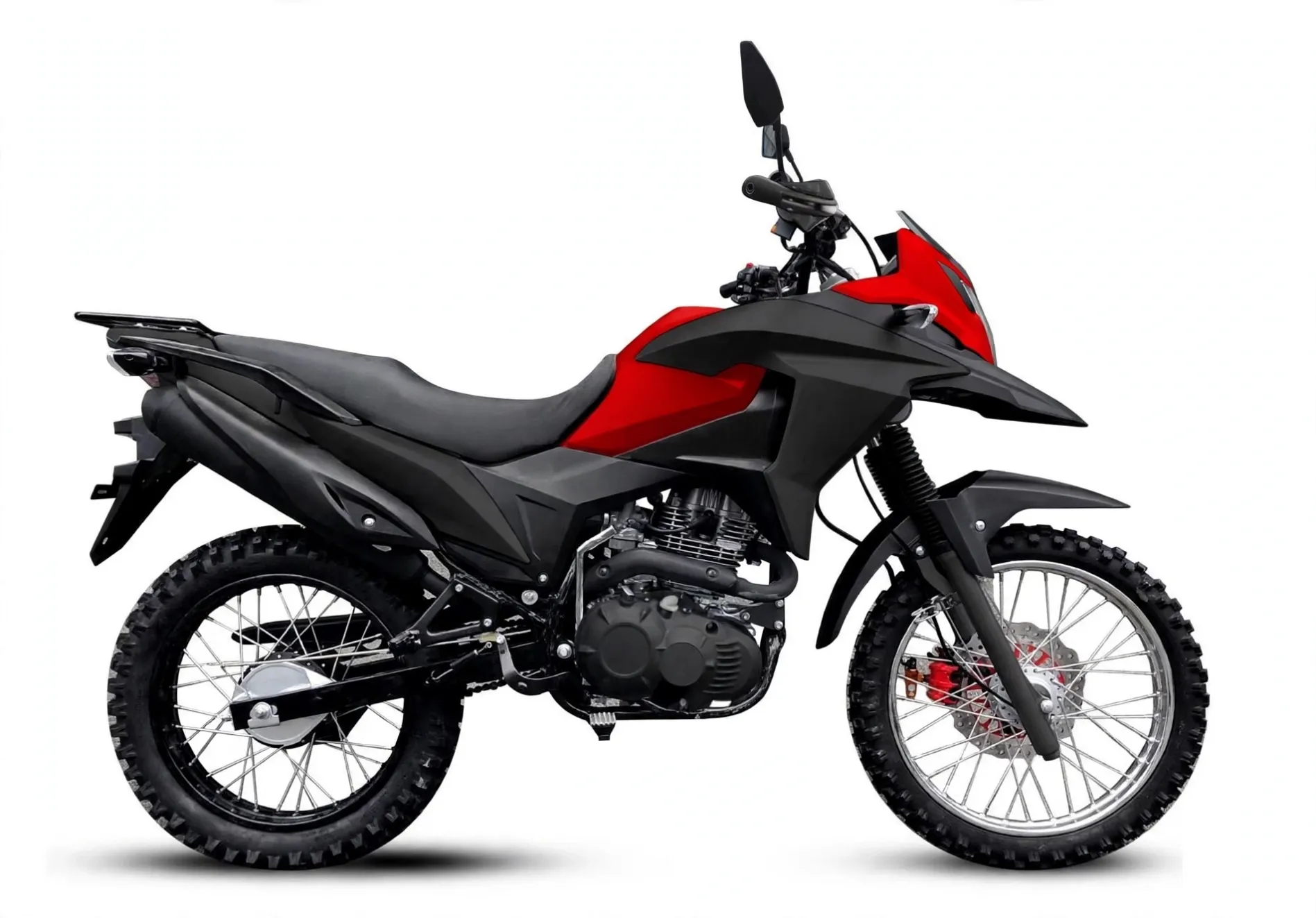
Most dealers make their margin on the motorcycle and their repeat business on everything around it. A rider who buys an off-road motorcycle will come back for protection parts, for charging and storage, and for wheels and tyres. The catalogue lists these as options on many models, which makes them easy to plan: front bumper, USB charging, mobile phone holder, alarm, spoke or alloy wheels, hand guards, windshield, and MP3 audio. The job of the dealer is to turn that options list into a shelf that sells.
Start with protection, because that is what an off-road rider needs first. A front bumper is listed as an option on several models in the catalogue, including the 250 cc and 300 cc off-road motorcycles. It is a simple, visible part, and it is the part a rider thinks about the first time the motorcycle falls over on a trail. Stock the bumper that fits the models you sell most, and fit it before delivery when the customer asks. A motorcycle that leaves your shop already protected is a motorcycle the customer does not have to fix later, and that is a service they remember.
Next, stock the small electrical accessories, because they are cheap, easy to fit, and easy to sell together. USB charging appears as an option on a large number of models in the catalogue, and so does the mobile phone holder. Together they solve a real problem: a rider navigating with a phone, or working all day away from a charger. An alarm or burglar alarm is listed just as often, and it matters most to the customer who parks outside or leaves the motorcycle at a work site. These three accessories — USB, phone holder, and alarm — are a natural bundle. Offer them as a fitted set at the point of sale, and keep a few in stock for walk-in customers who bought their motorcycle elsewhere.
Then think about wheels, because the wheel choice changes the motorcycle. Many models in the catalogue offer a choice between spoke wheels and alloy wheels. Spoke wheels are the traditional off-road choice: they flex, they are repairable, and they suit rough ground. Alloy wheels are stiffer, easier to clean, and suit mixed road use. Do not stock both for every model. Pick the wheel that fits the riding your customers do, and keep the other as a special order. The tyre sizes tell you the rest. In the catalogue, off-road models commonly use a 90/90-19 or 80/100-21 front tyre and a 110/90-17 or 110/100-18 rear tyre. Keep those two sizes in stock, and keep the brake parts that go with them — disc brake pads for the models with disc brakes front and rear, and drum brake shoes for the models that still use a drum rear brake.
Hand guards deserve their own place on the shelf. They appear as an option on several models, often listed as handlebar hand guards. They protect the rider's hands from branches and stones, and they protect the levers in a fall. They are inexpensive and they fit a wide range of handlebars, which makes them a good add-on for any off-road sale. A windshield is the equivalent part for the commuter and touring rider: it appears on a small number of models in the catalogue, and it is worth stocking for customers who ride longer distances at higher speeds.
Two smaller options are easy to miss and worth keeping in mind. Round and square lamps are listed as options on the small underbone models, and they change the look of the motorcycle enough that a customer will ask about them. MP3 audio appears as an option on several of the smaller commuter models, and it is a comfort feature rather than a performance one. Neither is a core stock line, but both are useful when a customer wants their motorcycle to feel like their own.
The stocking rule is simple. Keep on the shelf the parts that fit the motorcycles you sell most, in the sizes those motorcycles use. Keep the rest as special orders, with the catalogue page as your reference. When a customer asks for a part you do not have, write down the model, the displacement, and the tyre size from the catalogue, and order it against that reference. That is how you avoid the most common dealer error: a shelf full of parts for motorcycles you do not sell, and no parts for the motorcycles you do.
Sell the motorcycle, fit the protection, add the charging and the alarm, and put the right wheels and tyres under it. The customer leaves with a motorcycle that is ready to ride, and you keep a customer who comes back for the next part.
Contact us for the full catalogue and dealer terms.